
Bike buying guides by rider type
Find the Bike That Fits the Way You Ride
Start with how and where you ride, then compare the bike types that make sense for you. Plain-English guides, no brand rankings.
Buying a bike is simpler when you start with the kind of riding you actually do. Commuters, weekend fitness riders, trail riders, parents choosing a first bike for a child and people considering an e-bike all need different frames, tires, gearing and riding positions.
Our guides compare the main bike types side by side and explain who each one suits. Read them before you visit a local bike shop, then test-ride your shortlist, check the fit and look at trail and e-bike rules where you plan to ride.

Rider types
Pick the Rider You Are
Six kinds of riders, two side-by-side guides for each. Start with the one that sounds like you.
Commuters
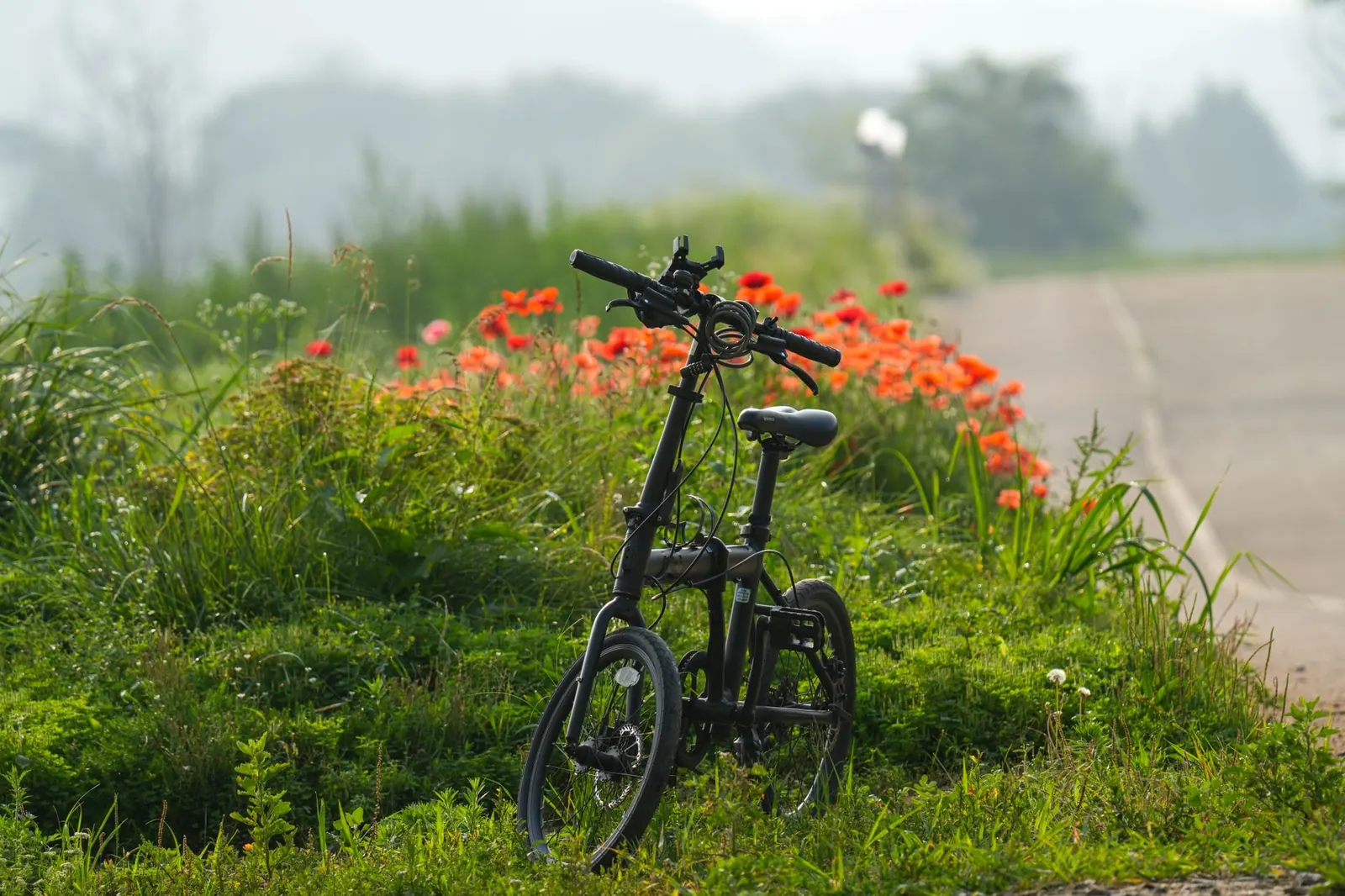
Hybrid, city and folding bikes for riding to work, school and errands.
Road & Fitness Riders
Road, gravel and flat-bar fitness bikes for riders who want distance and speed.
Trail Riders
Mountain bikes explained: suspension types and wheel sizes for dirt trails.
Kids & Teens
Balance bikes, training wheels and how to size a bike for a growing child.
E-Bike Riders
E-bike classes and motor types, and what they mean for where you can ride.
Casual & Comfort Riders
Cruisers, comfort bikes and step-through frames for relaxed, upright riding.
Buying guide
How to Choose the Right Type of Bike
The type of bike matters more than the brand or the parts list. Start with how and where you ride, and the right shortlist becomes clear.
Where you ride decides the bike type
Smooth pavement and bike paths suit hybrid, city and road bikes. Gravel roads and rough pavement suit gravel bikes and wider tires. Dirt trails with roots and rocks call for a mountain bike. If you ride a mix, choose for the surface you ride most often.
How far and how often you ride
Short, relaxed trips favor comfort: an upright position, a wide saddle and easy gears. Longer or faster rides favor a lighter bike and a more efficient position. If hills or distance put you off riding altogether, an e-bike can change what is realistic.
Fit matters more than any component
A bike in the wrong size is uncomfortable and harder to control, no matter how good its parts are. Ask a bike shop to check the frame size and set the saddle height and handlebar position. Small adjustments often fix sore hands, knees or back.
Budget for the extras
Most riders need a helmet, lights, a lock and a pump, and commuters often add fenders and a rack. Bike helmets sold in the US must meet the Consumer Product Safety Commission standard, so look for the certification label. Include these costs when you compare bikes.
Test-ride before you buy
Ride the bikes you are considering on the kind of surface you will use, including a hill if possible. Try at least two types side by side. The bike that feels right after twenty minutes is usually the one you will keep riding.
How it works
Three Questions Before You Buy
01
Where will you ride?
Pavement, gravel or dirt trails decide the bike type more than anything else.
02
How far and how often?
Short trips favor comfort; longer rides favor lighter, more efficient bikes.
03
Does it fit?
Test-ride and get fitted. The right size matters more than any part.
Latest guides
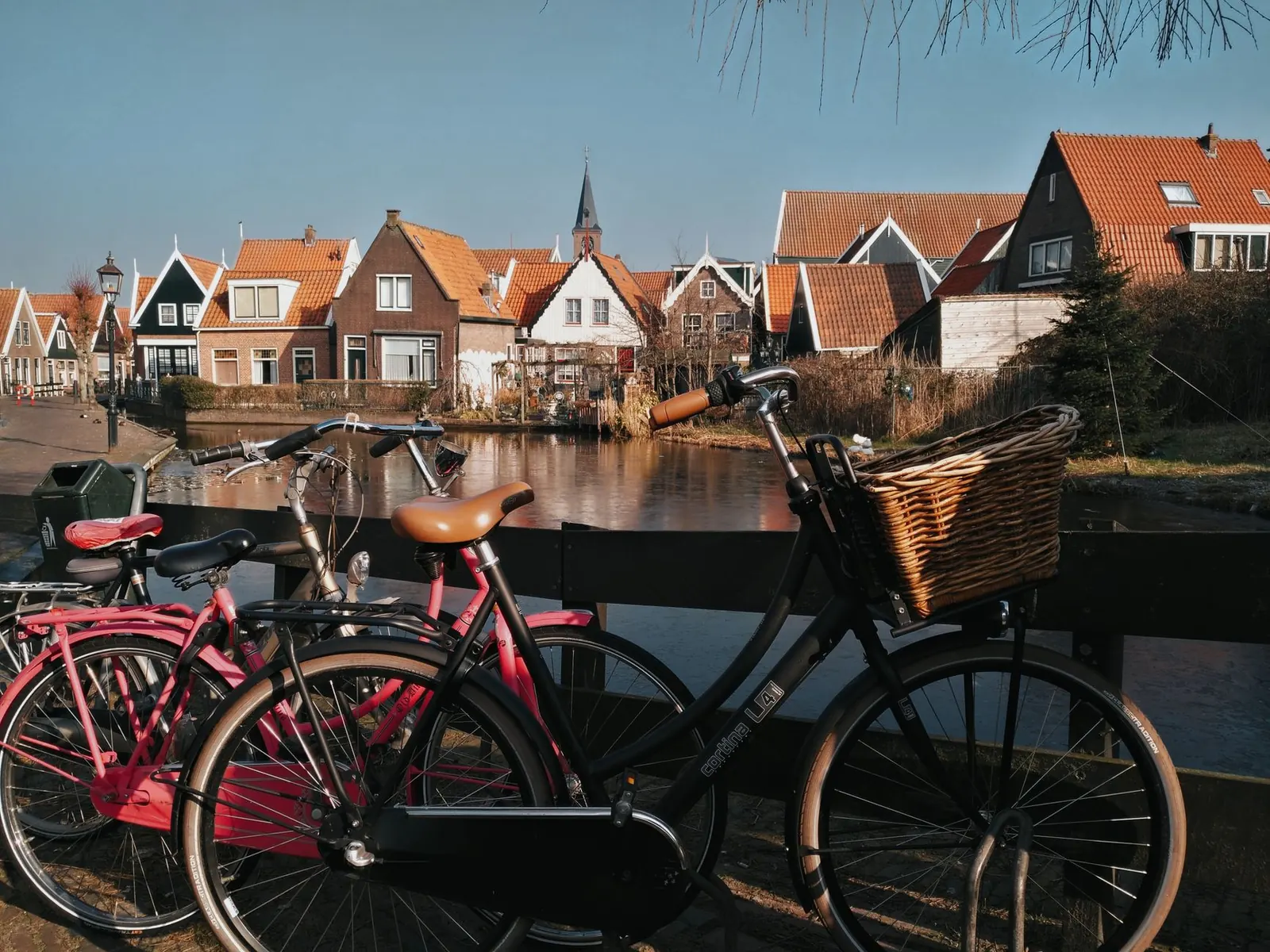
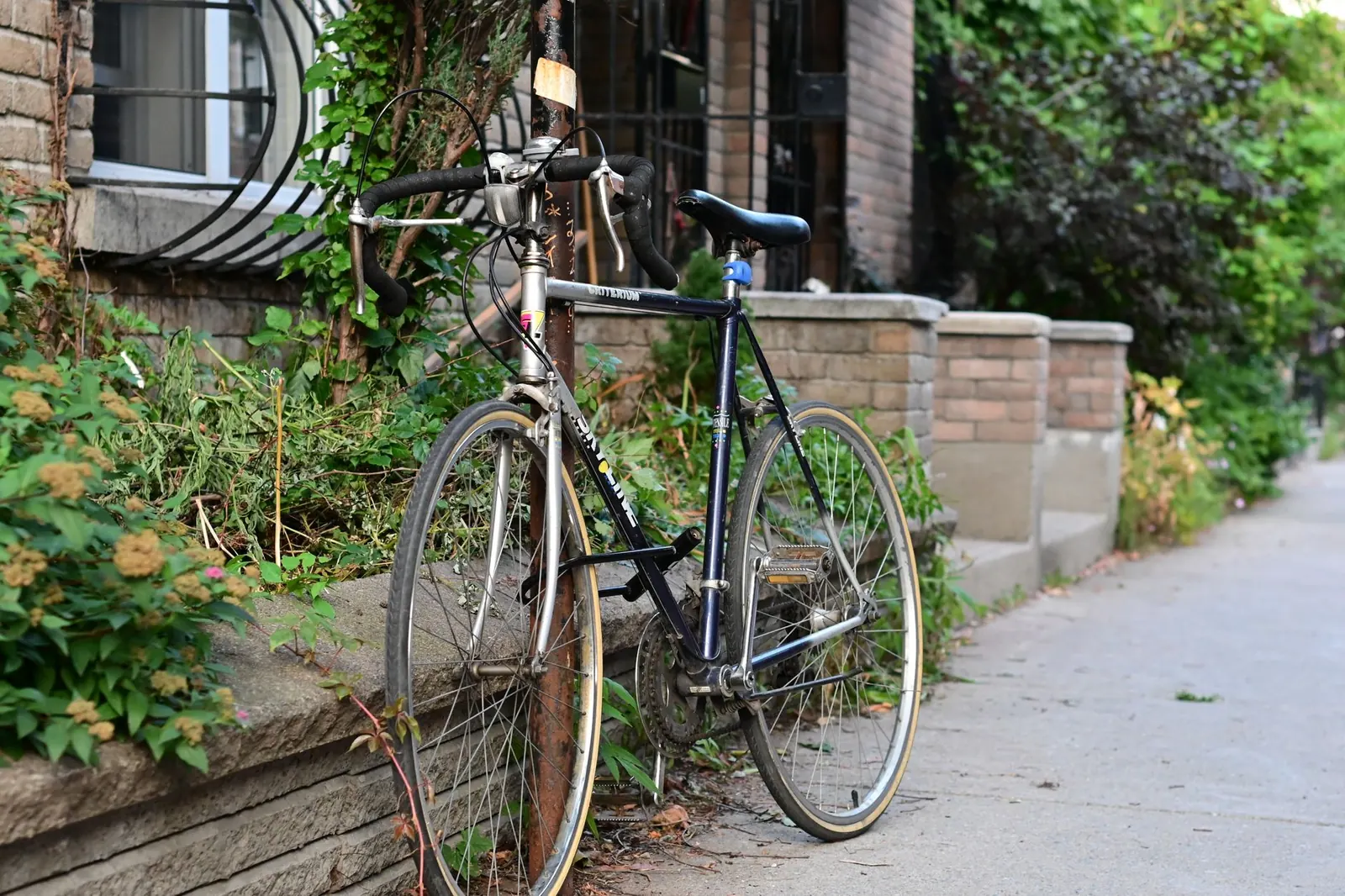
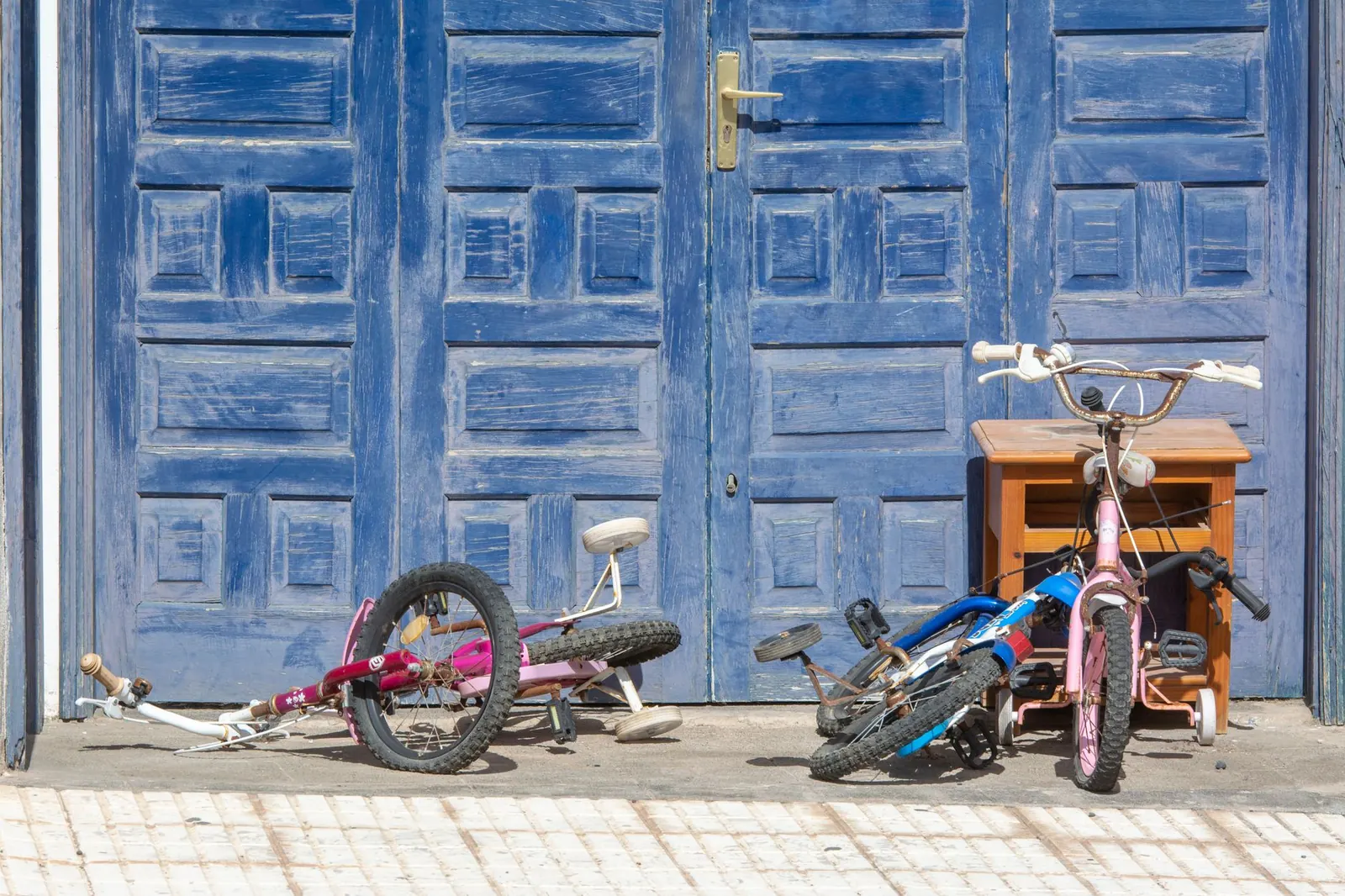
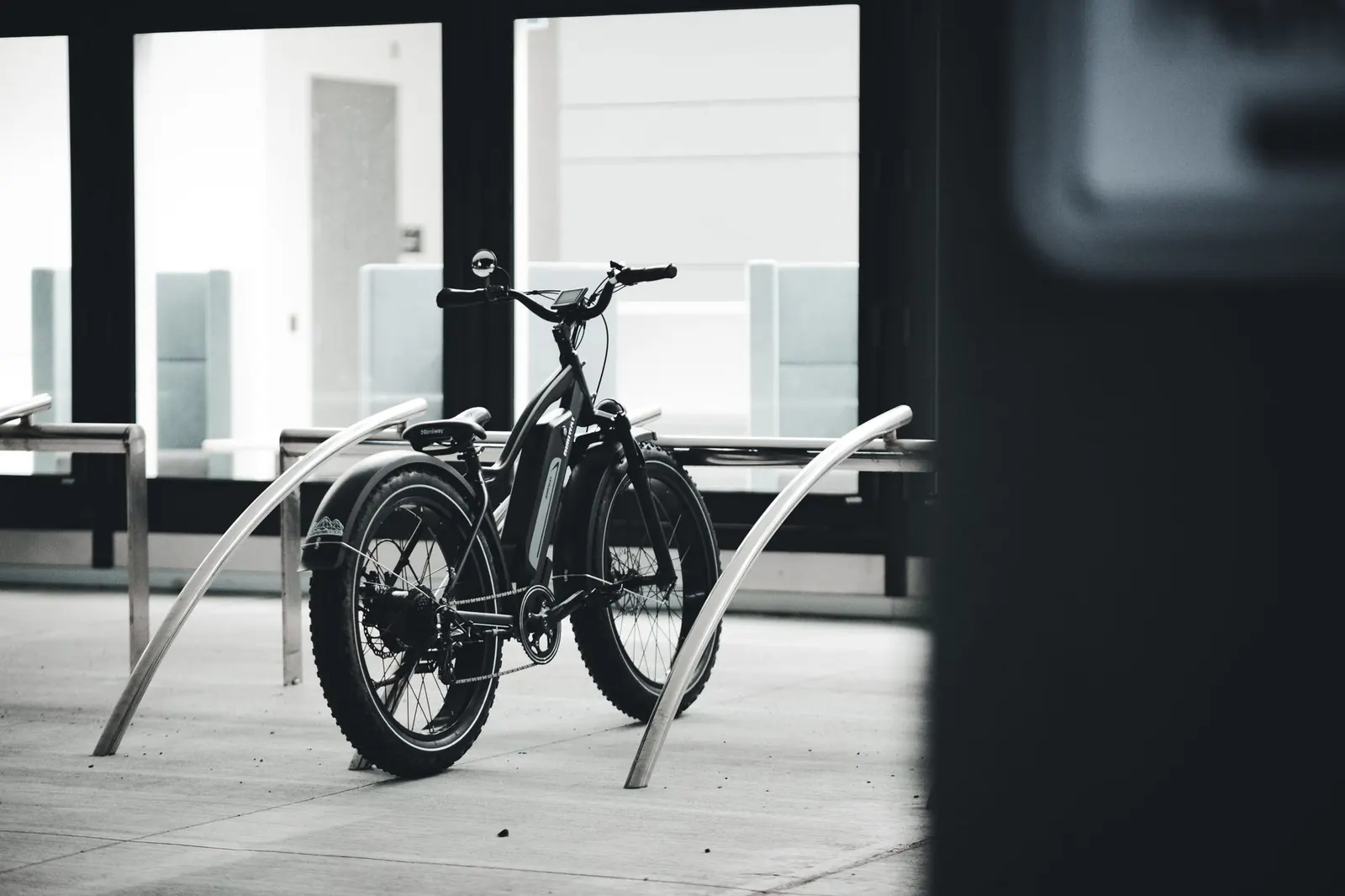
New Bike Comparisons

FAQ
Questions First-Time Buyers Ask
Short answers before you head to a shop.
Which bike type should I start with?
Start with where you will ride most often. Paved roads and bike paths point to hybrid, city or road bikes; dirt trails point to mountain bikes; short relaxed rides point to comfort bikes and cruisers.
Do you recommend specific brands?
No. We do not rank brands or sell bikes. The guides explain the differences between bike types so you can compare real bikes in a shop.
How important is bike fit?
Very. A bike in the wrong size is uncomfortable and harder to control. Most shops will help you choose a frame size and adjust the saddle and handlebars.
Are e-bikes allowed everywhere bikes are?
Not always. Rules depend on your state, city and the trail or path. Many states group e-bikes into classes with different rules, so check locally before you buy.
Do I need a helmet?
It is strongly recommended. Bike helmets sold in the US must meet the Consumer Product Safety Commission standard, so look for that certification label.
Should I buy new or used?
Both can work. A used bike can be good value if it is the right size and a mechanic checks the brakes, chain and wheels before you ride it.
Is an expensive bike always better?
Not for everyone. A well-fitted bike of the right type with reliable brakes and suitable gears matters more than premium components for most riders.
How often does a bike need servicing?
It depends on how much you ride. Many riders have a shop check brakes, gears and tires at least once a year, and more often with heavy use.
Ride First, Then Buy
Read the two guides for your rider type, then test-ride both options at a shop. The right bike is the one you want to ride again tomorrow.